
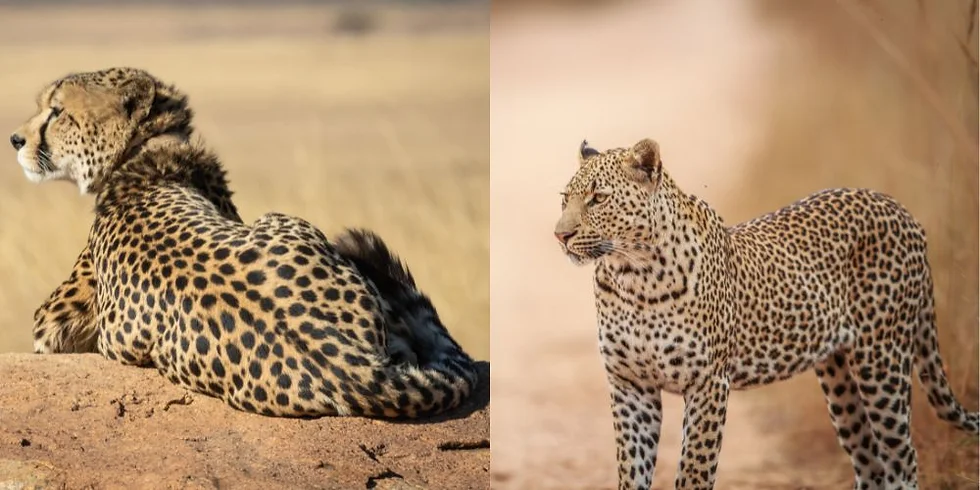
Leopard and cheetah prints have long been staples in fashion, design, and even the world of nature-inspired aesthetics. However, these two iconic prints often get mixed up due to their similar appearance. While both are part of the animal print family, they have distinct differences that set them apart. In this article, we will explore the key features, origins, and styling tips for leopard vs cheetah print, so you can confidently distinguish between the two and make the right choice for your wardrobe or home décor.
Leopard Print: A Timeless Classic
Leopard print has been a favorite in fashion and interior design for decades. The print is characterized by its rosette-shaped spots, typically in shades of golden yellow, brown, and black. These spots are not solid and have a unique pattern of irregular shapes, making them instantly recognizable.
Origins of Leopard Print
Leopard print, inspired by the actual spots of the African leopard, has ancient roots. Leopards are found across parts of Africa and Asia and have been revered for their beauty and strength. The first use of leopard print in fashion can be traced back to the early 20th century, when it became popular in Hollywood. Celebrities like Marilyn Monroe and Elizabeth Taylor helped cement its place as a symbol of glamour and sophistication.
Characteristics of Leopard Print
- Shape of Spots: Leopard spots are typically irregular and have a circular or oval shape with dark edges and lighter centers.
- Colors: The base color of leopard print is usually a golden yellow or light brown, with dark spots that are brown, black, or dark gray.
- Pattern: The spots on a leopard print are often spread out, creating a more open, irregular pattern.
Leopard print is highly versatile and works well in various styles, from chic and modern to boho and retro. Whether it’s a leopard-print dress, jacket, or home décor item, this pattern exudes luxury and timeless elegance.
Cheetah Print: Sleek and Fast
Cheetah print is often confused with leopard print because of its similar coloration and spotty appearance. However, there are key differences in both the pattern and texture that make cheetah print stand out on its own.
Origins of Cheetah Print
Cheetah print draws inspiration from the sleek and agile cheetah, an animal known for its incredible speed. Unlike leopards, cheetahs are primarily found in sub-Saharan Africa and parts of Iran. Their spots, which are darker and more defined than those of leopards, have influenced the creation of cheetah print patterns in fashion and design.
Cheetah print began to gain popularity in the fashion world in the 1970s, when the pattern was used in everything from clothing to accessories, bringing a sense of wild energy to the runway.
Characteristics of Cheetah Print
- Shape of Spots: Cheetah print spots are solid black and round or oval, without the irregular edges or rosettes seen in leopard print.
- Colors: The base color of cheetah print is typically a beige or golden yellow, with black spots that have no centers.
- Pattern: Cheetah spots are more evenly spaced and form a tighter, more uniform pattern compared to the more random arrangement of leopard spots.
Cheetah print is often associated with speed, energy, and modern sophistication. It works well in bold fashion statements and tends to add a high-octane vibe to any outfit.
Key Differences Between Leopard vs Cheetah Print
While both prints share similar colors, there are some key differences between leopard vs cheetah print that can help you differentiate between them.
Spot Shape and Pattern
The most obvious distinction between leopard and cheetah prints lies in the shape of their spots. Leopard spots are typically rosette-shaped, with a more irregular and varied pattern, while cheetah spots are round and uniform. This difference makes leopard print look more complex and varied, whereas cheetah print appears sleek and simple.
Base Color
Both prints feature a golden or brown base color, but leopard print tends to have a more varied range of hues, from pale yellow to deep brown, whereas cheetah print is usually lighter, with a more consistent beige or golden tone.
Texture and Appearance
Leopard print is often more textured, with the spots giving a slightly more “fuzzy” look, especially when it’s featured on fabric like faux fur. Cheetah print, on the other hand, has a smoother, more defined appearance due to the solid black spots.
Usage in Fashion
Leopard print is more versatile and can be incorporated into both bold and understated fashion choices, making it a go-to for everyday wear and special occasions alike. Cheetah print, while stylish, tends to be used more for edgy, statement-making pieces because of its more pronounced, high-contrast look.
How to Style Leopard and Cheetah Prints
Both leopard and cheetah prints can be styled in a variety of ways, whether you’re dressing up or down. Here’s a breakdown of how to wear each print to make a statement.
Styling Leopard Print
- Casual Wear: Pair a leopard print top with jeans or leggings for a casual yet chic look. Leopard print shoes, like ballet flats or boots, can also add a touch of style to your everyday outfit.
- Work Wear: A leopard print blazer or pencil skirt can be a great addition to a professional wardrobe. Pair it with neutral colors to keep the look sophisticated.
- Evening Wear: A leopard print dress, whether short or long, is a perfect choice for an elegant evening out. Pair it with black or metallic accessories to elevate the look.
Styling Cheetah Print
- Bold Fashion Choices: Cheetah print works best when you want to make a statement. Try a cheetah print jacket or a pair of bold shoes to add instant drama to your outfit.
- Accessories: Cheetah print scarves, handbags, or belts are great for adding flair to a simple outfit. Since the pattern is more graphic, it works well as an accessory rather than a full outfit.
- Evening Outfits: A sleek cheetah print dress or top can be paired with leather jackets or sleek heels for a modern, edgy look.
FAQs
1. What is the difference between leopard vs cheetah print?
Leopard print has irregular rosette-shaped spots with lighter centers, while cheetah print features solid black spots that are round and evenly spaced. The base color of leopard print is typically more varied, while cheetah print has a more consistent golden or beige tone.
2. Can leopard and cheetah prints be worn together?
Yes! You can mix leopard and cheetah prints, but it’s essential to balance the two patterns. Try combining different scales of prints or using one as an accessory while keeping the other as the main focus of your outfit.
3. Which print is more versatile, leopard or cheetah?
Leopard print is generally considered more versatile because of its varied spot patterns and broader range of base colors. It can be worn casually or formally, making it easier to incorporate into different outfits.
4. Is leopard print only for clothing?
No, leopard print is used in various areas, including home décor, accessories, and even furniture. Its timeless appeal has made it a popular choice for both fashion and interior design.
5. Can I wear cheetah print in a professional setting?
Yes, cheetah print can be worn in a professional setting when used subtly, such as in a cheetah print blouse or a scarf. Keep the rest of the outfit neutral and simple to maintain a polished look.
Conclusion
When it comes to choosing between leopard vs cheetah print, the decision often comes down to personal preference. Leopard print offers a classic, elegant appeal with its varied spots and rich hues, while cheetah print exudes energy and speed with its sleek, uniform spots. Both prints are iconic, and with the right styling, either one can elevate your fashion and décor choices.
Understanding the differences in pattern, color, and texture will help you make a more informed choice when incorporating these prints into your wardrobe or home. Whether you’re drawn to the timeless sophistication of leopard print or the bold modernity of cheetah print, both offer endless possibilities for expression.